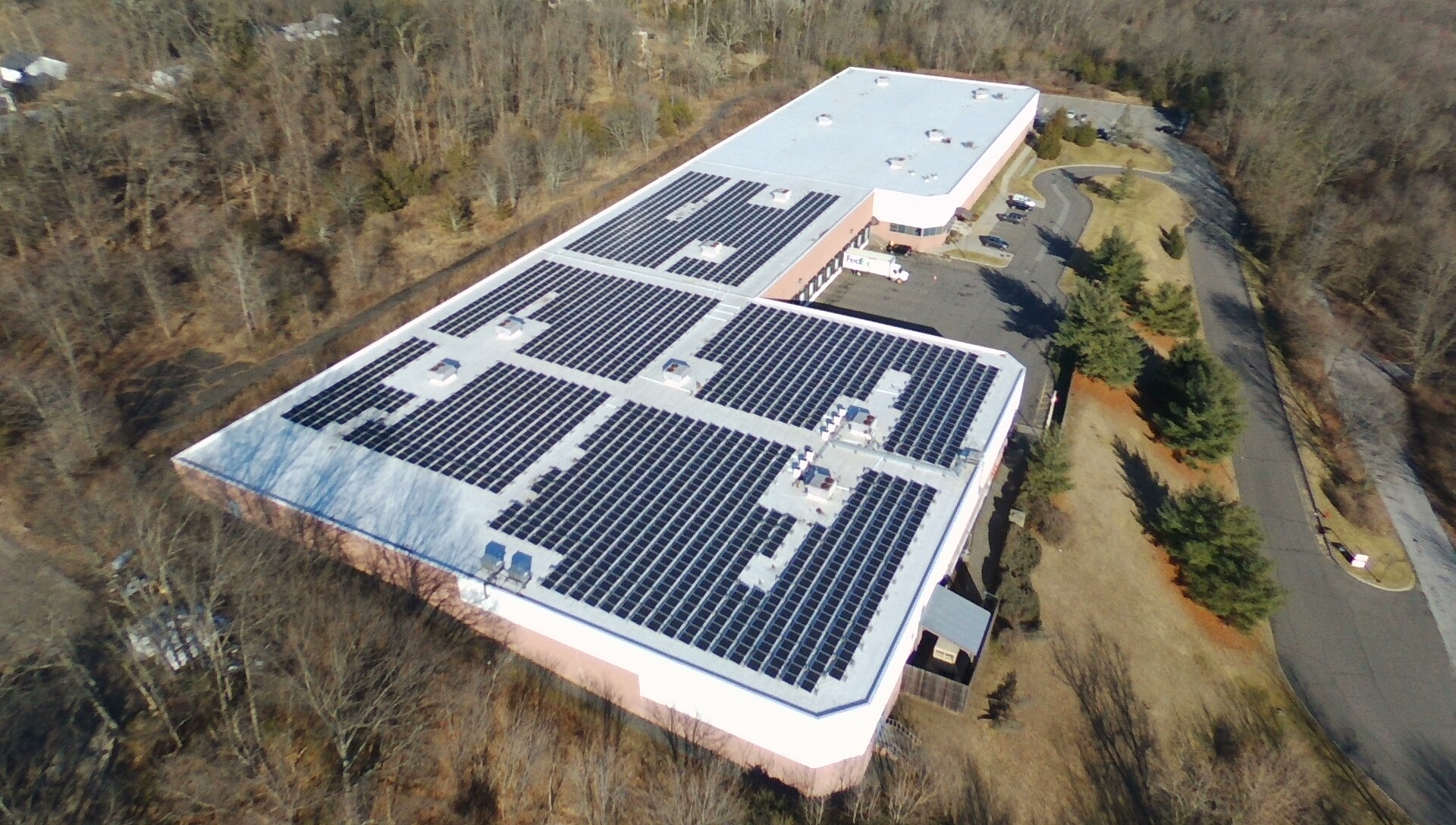
CCG Doubling Down on Sustainability with Second Solar Farm
Mar 14, 2022 | Press Release
Going Green(er)
After the successful installation and energy generation benefits of its first solar array, CCG is once again showing their commitment to sustainability. By investing in more sustainable initiatives that lower CCG’s carbon footprint, they are also counteracting rising energy costs, and increasing partnership value to their clients. CCG’s commitment to a greener future is also outwardly, as they strive to work closely with vendors, suppliers, and client partners ensuring that their passion for sustainability is matched beyond CCG’s walls.
Solar Farm Installed Over Towaco Warehouse
These Solar Arrays are a big step forward in reducing CCG’s carbon footprint and propels the company closer to their goal of significantly reducing greenhouse gas emissions by 2030.
By adding a new solar panel grid system over their Towaco warehouse, CCG estimates that these sustainability measures will:
• Provide 3.03 kWh of electrical energy – an estimated 97% of CCG’s annual electrical requirement for both locations
• Reduce Carbon Dioxide (CO2) emissions by 3.3 million lbs/year
• Reduce Methane (CH4) emissions by over 371 lbs/year and Nitrous Oxide (N2O) by 39 lbs/year
Reduce the impact on the environment by effectively removing 638 autos from our roads that would consume more than 339,832 gallons of gasoline each year
• Reduce the amount of coal burned each year to supply CCG it’s electrical needs by 6 million pounds per year
Simon Hooks, CEO, notes, “Over the past few years, we’ve taken a deep look into the values of not only myself but of all of our CCG employees and clients. We want to ensure these values around our commitment to sustainability are translated to how we manage our warehouse operations. Ultimately, we know that our impact on the environment impacts everyone around us, present and future – and we are fully committed to investing in our role to support and enact change.”
Next Steps for Sustainability
In line with CCG’s ongoing sustainability initiatives, they are also replacing existing outdated lighting to be energy efficient LED units in West Caldwell, estimated to last CCG 23 years before needing replacement. While these LED lights help CCG remain environmentally conscious on energy consumption, they also drive lower operating costs. The implementation of new lighting for the Towaco location will be analyzed once West Caldwell is completed.
Frequently Asked Questions About Corporate Solar and Sustainability Initiatives
Why is sustainability important for a marketing fulfillment company?
Marketing fulfillment and 3PL operations — including large warehouses, production equipment, and distribution fleets — have significant energy consumption and carbon footprints. Sustainability initiatives like solar energy, green packaging, and responsible sourcing reduce environmental impact, lower operating costs, and demonstrate corporate responsibility to clients and brand partners who have their own ESG commitments.
How does solar energy benefit a fulfillment operation?
Solar energy reduces a fulfillment facility’s dependence on grid electricity — lowering energy costs, providing price stability against utility rate increases, and reducing the facility’s carbon emissions. For large fulfillment centers with high energy consumption from lighting, climate control, and production equipment, solar investment delivers meaningful long-term cost and environmental benefits.
What is ESG and why do brands care about it in their supply chain?
ESG stands for Environmental, Social, and Governance — a framework for evaluating a company’s commitment to sustainable and ethical operations. Brands increasingly evaluate their suppliers and fulfillment partners against ESG criteria because their own sustainability reporting includes upstream supply chain impact. A fulfillment partner with strong ESG practices helps brands meet their own corporate sustainability targets.
What sustainability certifications are relevant for fulfillment companies?
Relevant sustainability certifications for fulfillment and 3PL companies include SMETA (Sedex Members Ethical Trade Audit) for social and environmental standards, ISO 14001 for environmental management systems, and various green building certifications for facilities. Certifications demonstrate independently verified commitment to sustainability rather than self-reported claims.
How does sustainable packaging fit into a marketing fulfillment program?
Sustainable packaging in marketing fulfillment means using recycled, recyclable, or biodegradable materials for kitting, shipping cartons, and product packaging — reducing waste and aligning with brand partners’ sustainability goals. As brands face increasing consumer and regulatory pressure on packaging sustainability, fulfillment partners that offer green packaging options become preferred supply chain choices.